Activists in Mombasa urge authorities to improve business conditions for marginalised groups
Laini criticised both levels of government for what she described as persistent neglect. According to her, many traders lack basic infrastructure such as functioning lighting, secure workspaces and properly designated business areas.
Civil society groups in Mombasa County have renewed calls for national and county authorities to strengthen support for marginalised communities engaged in small-scale enterprises, arguing that many continue to work in unsafe and poorly regulated conditions.
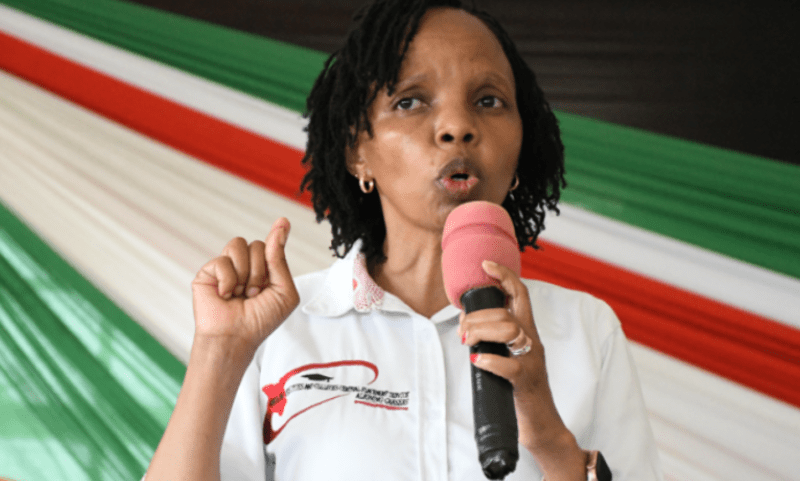
Nkoko Iju Africa (NIA) Executive Director, Maryline Laini, said key populations are entitled to operate their businesses without intimidation or discrimination, noting that they already meet tax obligations like all other Kenyans.
More To Read
- Women and youth in marginalised communities highlight exclusion, demand action
- Mutua sounds alarm as drug abuse blocks coast youth from lucrative jobs abroad
- Africa’s agricultural exports are losing ground: Four key interventions that could lift sector again
- Nubian Rights Forum launches sensitisation drive to end marginalisation of minority groups
- Government tables Bill to boost inclusion of marginalised communities
- Kwale’s marginalised communities seek recognition, fair treatment
Laini criticised both levels of government for what she described as persistent neglect. According to her, many traders lack basic infrastructure such as functioning lighting, secure workspaces and properly designated business areas.
“These traders need well-lit, safe spaces and proper facilities to carry out their livelihoods,” she said, adding that county authorities had failed to acknowledge the contribution of key populations to the local economy.
Laini stated that despite having marketable skills, many remain marginalised. “We possess the expertise. What is missing is recognition and support from the county.”
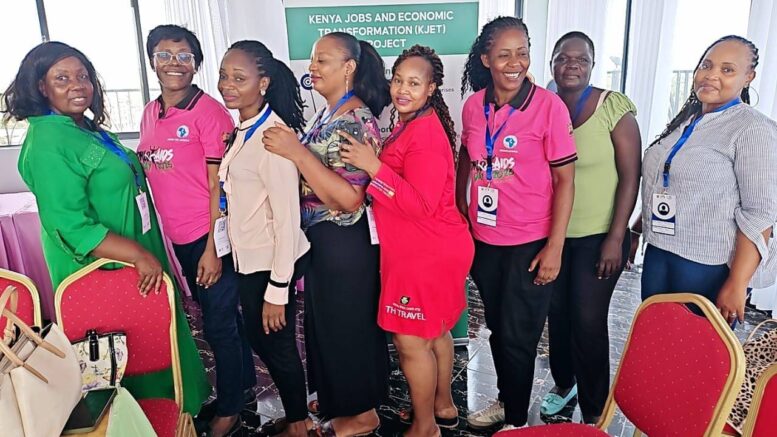
At the same time, women entrepreneurs in Mombasa have encouraged more women to turn to agribusiness, arguing that locally available resources remain underutilised.
Speaking during a women’s economic forum, Maria Oyier, Executive Director of Maria Agri Products, said expanding women-led agribusiness ventures could help reduce unemployment and strengthen household incomes. She noted that her organisation offers free training for women interested in processing, value addition and building supply chains.
“We want women to take the lead in developing home-grown agricultural brands. Our aim is to equip them with the skills needed to sustain viable enterprises.”
Oyier urged women already in business to diversify and move into value-adding activities that could raise profits and create new markets.
Economic consultant Anne Ndirangu, from EKV Consultant, told the gathering that the Coast region has numerous natural and commercial opportunities that remain largely unexplored.
“I encourage women here to be strategic and take advantage of the resources around them,” she said, adding that women should also consider applying for the KJET Project, which supports job-creation initiatives.
Ndirangu, who has conducted empowerment programmes in counties including Mandera and Lamu, said women in the region are informed and eager to engage in economic activities. She emphasised that better access to training and investment opportunities would help ease unemployment challenges across the country.
Top Stories Today